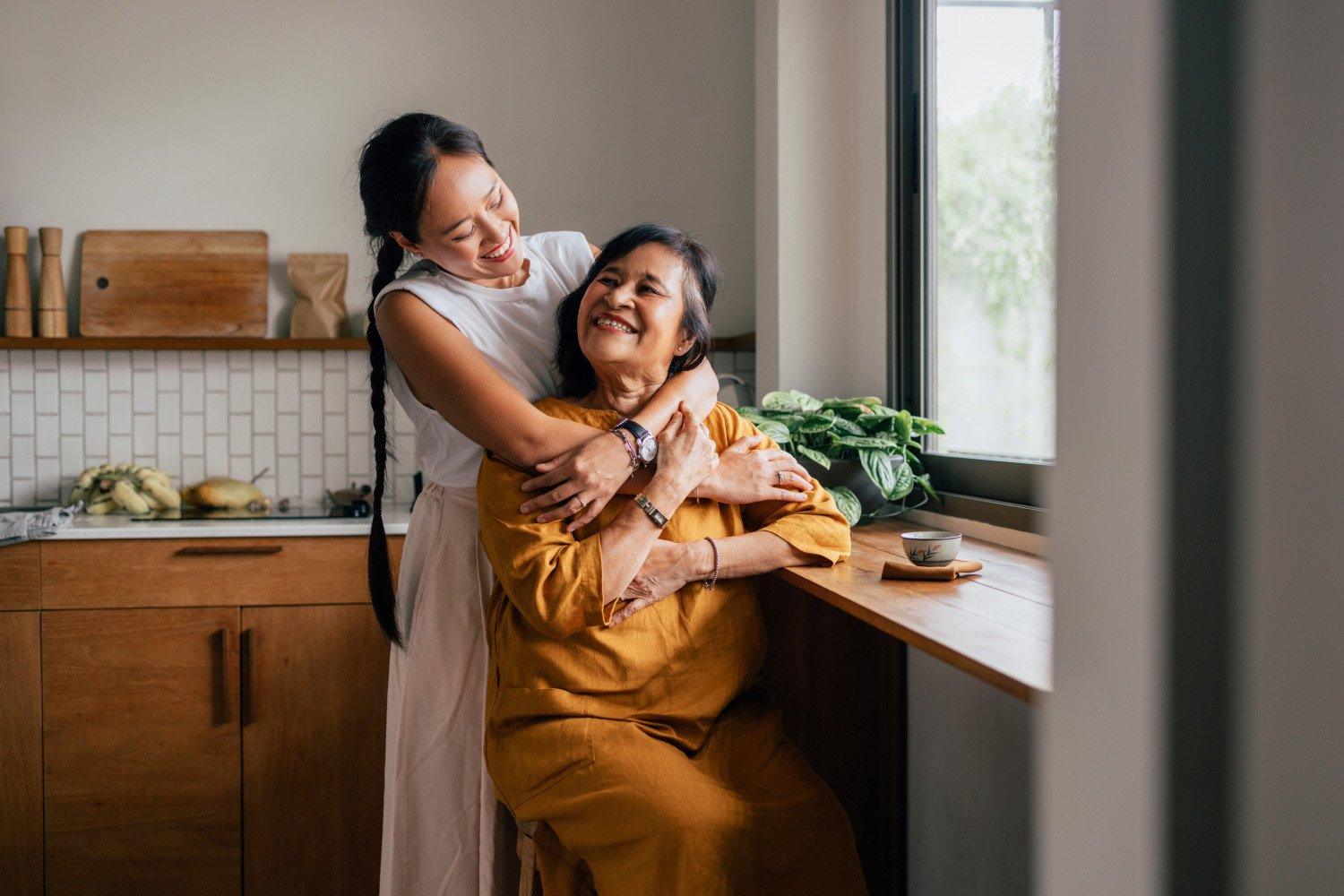

Gratitude is more than just a fleeting feeling of thankfulness; it is a powerful attitude that can transform the way we perceive our lives and our surroundings. In a world often filled with stress, dissatisfaction, and constant striving for more, cultivating gratitude offers a simple yet profound way to enhance our well-being. By consciously recognizing and appreciating the positive aspects of our lives—whether big or small—we can foster a sense of contentment and joy that permeates every aspect of our existence. Over time, gratitude practices can become a foundational element of a meaningful and fulfilling life, helping us navigate challenges with resilience and grace.
Research has shown that engaging in regular gratitude practices has tangible benefits for mental, emotional, and physical health. It encourages us to shift our focus from what is lacking to what is abundant, creating a mindset of abundance rather than scarcity. This shift not only boosts happiness but also strengthens relationships, increases optimism, and improves overall life satisfaction. As we incorporate gratitude into our daily routines, we begin to see the world—and ourselves—in a more compassionate and appreciative light, unlocking potential for growth and transformation.
- Consistency is Key: Making gratitude a daily habit amplifies its benefits. Whether through journaling, meditation, or simple reflections, regular practice helps reinforce a positive outlook and cultivates a resilient mindset. Consistency ensures that gratitude becomes a natural part of your thought process, gradually rewiring your brain to notice and appreciate the good in everyday life.
- Personal Reflection: Taking time to reflect on what we are thankful for deepens our awareness and appreciation. This can involve writing gratitude lists, meditative breathing exercises focusing on gratitude, or simply pausing during the day to acknowledge moments of kindness, beauty, or success. Personal reflection helps us recognize the often-overlooked blessings that surround us.
- Expressing Appreciation: Communicating gratitude to others strengthens social bonds and nurtures a sense of connection. Whether through heartfelt notes, kind words, or acts of service, expressing appreciation not only benefits recipients but also enhances our own emotional well-being. Sharing gratitude fosters a culture of positivity and mutual support.
- Mindfulness and Presence: Practicing mindfulness enhances gratitude by grounding us in the present moment. When we are fully present, we are more attuned to the details of our environment and the small joys that often go unnoticed. Mindfulness encourages us to savor positive experiences, amplifying feelings of thankfulness.
- Fostering Empathy and Compassion: Gratitude naturally cultivates empathy by helping us recognize the kindness and efforts of others. When we acknowledge the good in our lives, we become more compassionate and understanding toward those around us. This empathetic perspective nurtures healthier relationships and a more harmonious community.
- Overcoming Negativity Bias: Our brains tend to focus more on negative experiences—a phenomenon known as negativity bias. Gratitude practices counteract this tendency by redirecting attention to positive aspects. Regularly acknowledging what we are grateful for can rewire neural pathways, making it easier to maintain an optimistic outlook even during difficult times.
- Integrating Gratitude into Daily Life: The most effective practices are those seamlessly integrated into daily routines. Simple habits such as noting three things you are grateful for each morning, keeping a gratitude journal, or ending the day with reflections on positive experiences can make a significant difference. Over time, these habits cultivate a sustained sense of appreciation and contentment.
In conclusion, gratitude practices are a powerful tool for enhancing the quality of life. They foster mental clarity, emotional resilience, and social harmony, creating a ripple effect that benefits individuals and communities alike. By intentionally cultivating gratitude, we open ourselves to a richer, more meaningful existence—one characterized by appreciation, compassion, and genuine happiness. As we nurture this attitude, we not only improve our own well-being but also inspire others to see the beauty and abundance that surrounds them every day.